Translate

Showing posts with label Physical Fitness. Show all posts

20250727

Health benefits and Nutritional information of OATS

What are Oats?

Oats are a type of whole grain scientifically known as Avena sativa. They are most consumed as oatmeal or rolled oats but can also be found in forms like steel-cut oats, instant oats, and oat flour.

They are known for their high nutritional value and are often considered one of the healthiest grains due to their balance of fiber, protein, and important micronutrients.

Health Benefits of Oats:

1. Supports Heart Health

  • Contains beta-glucan, a type of soluble fiber that helps lower LDL ("bad") cholesterol.
  • Reduces risk of cardiovascular disease.

2. Helps Manage Blood Sugar

  • Lowers post-meal blood sugar spikes.
  • Beneficial for people with type 2 diabetes and insulin resistance.

3. Promotes Digestive Health

  • High in dietary fiber, especially insoluble and soluble fibers.
  • Encourages regular bowel movements and feeds beneficial gut bacteria.

4. Aids in Weight Management

  • Keeps you feeling full longer due to fiber and protein.
  • May help reduce overall calorie intake naturally.

5. Provides Sustained Energy

  • High in complex carbohydrates, providing long-lasting energy.
  • Great for breakfast or pre-workout meals.

6. Rich in Antioxidants

  • Contains avenanthramides, which have anti-inflammatory and anti-itch properties.
  • May help lower blood pressure.

7. Good for Skin

  • Used in colloidal oatmeal to soothe dry or irritated skin (eczema, rashes, etc.).

Nutrient Content of Oats:

Key Micronutrients of Oats:

a) Vitamins:

    • Vitamin A: Important for vision, immune function, and cell growth. 
    • Vitamin B: Help convert food into energy and support nerve function.
    • Vitamin C: An antioxidant that supports immune function and tissue repair. 
    • Vitamin D: Essential for bone health and calcium absorption. 
    • Vitamin E: An antioxidant that protects cells from damage. 
    • Vitamin K: Plays a role in blood clotting and bone health. 

b) Minerals:

    • Calcium: Crucial for bone and teeth structure, muscle function, and nerve transmission. 
    • Iron: Transports oxygen, supports enzyme function, and is vital for energy production. 
    • Iodine: Regulates thyroid hormones. 
    • Magnesium: Aids in muscle and nerve function, blood sugar regulation, and blood pressure control. 
    • Potassium: Supports nerve transmission, muscle function, and fluid balance. 
    • Zinc: Boosts the immune system, aids in wound healing, and supports growth and development.
    • Selenium: An antioxidant that supports thyroid health and reproduction. 
    • Copper: Aids in connective tissue formation, brain and nervous system function. 
    • Manganese: Helps metabolize carbohydrates, amino acids, and cholesterol. 
    • Fluoride: Strengthens bones and teeth. 

Precautions When Consuming Oats:

    • Start with small portions
    • Drink enough water
    • Avoid heavily processed oat products
    • Use certified gluten-free oats if needed
    • Balance with protein & fat
    • Watch toppings & portion size
    • Cook or soak for easier digestion
***END***

20250517

Health benefits and Nutrition facts of Mixed gain SATTU

  • Mixed grain sattu is a nutritious flour and is a combinations of roasted grain and pulses. 
  • It is a nutritious flour made by dry-roasting and grinding a blend of grains and legumes, typically including roasted gram (chana), barley, wheat, maize, millet (like bajra or jowar), and sometimes pulses like moong dal. 
  • Sattu is an instant preparation food/drink which is to be served with water or milk. Whether mixed into a smoothie, paratha, or a simple summer beverage, it is a powerhouse of nutrition that supports overall wellness.
  • It is healthy, succulent, and delicious, providing the same benefits as a balanced meal but with less effort and time.

Top Health Benefits of Mixed Grain Sattu:

1. High quality Plant-Based Protein

  • Contains a good amount of protein, especially from roasted gram and legumes.
  • Helps in muscle building, tissue repair, and boosts stamina.
  • High protein.

2. Rich in Dietary Fiber

  • Supports digestive health and prevents constipation.
  • Helps regulate blood sugar levels by slowing digestion.

3. Cooling Effect on the Body

  • Traditionally consumed in summer as a cooling drink.
  • Helps maintain electrolyte balance and prevents dehydration.

4. Sustained Energy Release

  • Low glycemic index (GI) due to complex carbs.
  • Provides steady energy without sugar crashes.

5. Manage Heart Healthy

  • Contains complex carbs, fiber, and plant sterols that may help in managing cholesterol.
  • Low in saturated fat and cholesterol-free.

6. Good for Diabetics

  • Low GI and high fiber content help regulate blood sugar spikes.
  • Manage blood glucose level.

7. Weight Management

  • Keeps you full longer, reducing unnecessary snacking.
  • Nutrient-dense but not calorie-dense.

8. Rich in Micronutrients

  • Provides iron, magnesium, potassium, calcium, and B-complex vitamins.

Ingredients: 

Wheat, Seasame seeds, Red flutted rice, Sugar, Maize, Cashew nuts, Flax seeds, Soybean seeds, Black chickpeas, Ground Nuts etc.

Approximate Nutrition Facts (per one hundred grams):

Nutrient

Amount

Calories

350–400 kcal

Protein

18–22 g

Carbohydrates

55–60 g

Dietary Fiber

10–12 g

Fat

5–8 g

Iron

5–7 mg

Calcium

30–60 mg

Magnesium

100–150 mg

Potassium

400–600 mg

B Vitamins (esp. B1, B2, B3)

Present in moderate amounts

How to Consume Mixed Grain Sattu:

  • Mix with water, lemon juice, black salt for a refreshing summer drink.
  • Combine with milk or curd and jaggery/honey.
  • Parathas/Rotis: Used as a stuffing or dough base.
  • Mixed with ghee and jaggery for a nutritious snack.

Who Should Consume It?

  • Fitness enthusiasts
  • Diabetics
  • Children and elderly
  • Vegetarians/vegans needing more protein.

Precautions and Considerations:

  • May not be suitable for people with legume allergies.
  • Should be consumed with adequate water (due to high fiber).
*** END ***

20210615

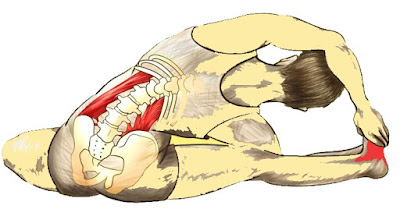
Stretching Exercise, Types of Stretching and its Benefits!!!

What is Stretching?

Stretching is a form of physical exercise in which a specific muscle is deliberately flexed or stretched in order to improve the muscle's felt elasticity and achieve comfortable muscle tone. The result is a feeling of increased muscle control, and range of motion. Stretching helps to increase your flexibility.

What are the different types of stretching?

  • Dynamic stretch:

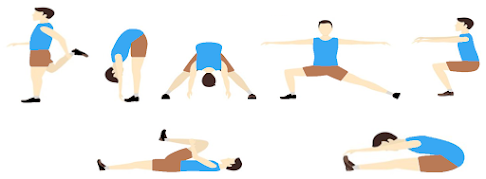
Dynamic stretching is most important before physical activity. This stretching helps to prepare the body for exercise and decreases risks for injuries. This will help to give your body more power and strength, ultimately improving your performance during a workout. Dynamic stretching keeps your muscles flexible which will prevent you from injuring yourself. Static stretching is often used to develop the more flexibility. Examples of dynamic stretches are High knees, skipping, leg swings, arm swings, spinal rotations, walking lunges, high kicks.

  • Static stretch:

Static stretching is most important after physical activity. This stretching helps to the body relax after exercise and maintain flexibility. static stretches are mainly relieving the muscle of tension, so specifically done at the very end of a physical workout. Examples of static stretches are Quad stretch, calf stretch, Biceps stretch, figure-four stretch, Seated butterfly stretch.

Benefits of stretching!!!

Here are Different benefits of stretching has

  • Improves flexibility
  • Improves posture
  • Helps reduce or manage stress
  • Decrease your risk of injury
  • Makes daily life feel easier
  • Reduce muscular tension
  • Increases blood flow to your muscles
  • Increases energy and motivation
  • Protect your joints
  • Decrease back pain

How long should you hold a stretch?

Stretching start with a shorter time in a stretch like 10 to 15 seconds and then increase the amount of time in the stretch as you continue to do it. If the stretch is uncomfortable, then hold it for how long it is comfortable for you.

***Thank You***

20210322

CrossFit Exercises and with Benefits!!! CrossFit for Beginners!!!

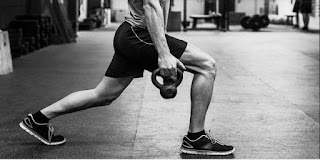
  • CrossFit is a strength and conditioning workout that is made up of functional movements executed at a high intensity. Here functional movements means natural movements of the body. 
  • All body functional movements are not only at the gym, these movements are found anywhere in human behavior and that arises to growth the healthy life. 
  • For example like getting up out of a chair is similar to squat and picking up some heavy items from the floor is a dead lift etc. 
  • When we lose the ability to perform functional movements, then we also lose the ability to live independently. 
  • CrossFit is an effective workout for losing weight, building strength, flexibility and improving your body Fitness.
  • CrossFit is a highly effective workout for any age group or any Fitness level. 
  • In simple definition, CrossFit is improve your physical fitness, increase your endurance, stamina, Strength, flexibility, power, accuracy and balance your life.
  • CrossFit is a core strength and conditioning program. 
Different Types of CrossFit Exercises:
Running, Swimming, Squat, Deadlift, Push-Press, Bench-Press, Jumping, Pull-Up, Dips, Hand Stand, Sit-Up, Scales and Holds etc. 


Diet required for CrossFit:
Generally we recommended that keep intake to levels that will support Exercise but not body fat. 
Different types of Nutrients are major factors of CrossFit Exercises;
1) Macro Nutrients: i.e Protein, Carbohydrates and Fat.
2) Micro Nutrients: i.e Vitamins and Minerals. 
You can eat Egg, Grapes, Walnuts, Brown Bread, Apple, Chicken, Fish, Tomato, Beans, Strawberries, Orange, Peanut Butter, Avocado, Peanuts, Cashews, Salads, Green Vegetables.
You should follow calorie intake consists of 40% of carbs, 30% of proteins and 30% fat. 
Note: Always avoid Junk Foods.
Benefits and drawbacks of CrossFit:
- CrossFit has different physical and health benefits like losing weight, get stronger, Improve cardiovascular and Respiratory systems, increase Stamina, Gain muscle Strength, Flexibility, Power etc.
- If you will avoid safety precaution then there will be some possible drawbacks like injuries, damage to the spine and other parts of body. 
Sources: Crossfit.com, athleticmuscle.net

Note: CrossFit is not safe for everyone, so please contact to Fitness trainer before doing any physical activity/Exercises.

***Thanks***

20210131

QUINOA Health Benefits with Nutrition Facts:

Quinoa is a flowering plant in the amaranth family. It is a herbaceous annual plant grown as a crop primarily for its edible seeds; the seeds are rich in protein, dietary fiber, B vitamins, and dietary minerals in amounts greater than in many grains. 
Quinoa is not a grass, but rather a pseudo cereal botanically related to spinach and originated in the Andean region of northwestern South America. 

Quinoa is not a real cereal, or grain, but more of a vegetable, as it is not a member of the grass family. As a chenopod, quinoa is closely related to species such as beets, spinach, and tumbleweeds. Its leaves are also eaten as a leaf vegetable. 

Quinoa greens are not widely available for purchase. Quinoa gives high quality protein and other nutrients. It has been called a 'super food'.

Raw, uncooked quinoa is 13% water, 64% carbohydrates, 14% protein, and 6% fat. Nutritional evaluations indicate that a 100-gram serving of raw quinoa seeds is a rich source of protein, dietary fiber, several B vitamins and the dietary minerals magnesium, phosphorus, and manganese.

After boiling, which is the typical preparation for eating the seeds, quinoa is 72% water, 21% carbohydrates, 4% protein, and 2% fat. In a 100 g serving, cooked quinoa provides 120 kilocalories of food energy and is a rich source of manganese and phosphorus and moderate source of dietary fiber, folate, and the dietary minerals, iron, zinc, and magnesium.
Quinoa is basically gluten free. Because of the high concentration of protein, ease of use, versatility in preparation, and potential for increased yields in controlled environments.


Below are 5 health benefits of QUINOA:
1) Quinoa is a complete source of protein, as it contains all essential amino acids.
2) Quinoa packed with healthy fats that can help boost your good cholesterol.
3) Quinoa helps to boost your digestion as it contains almost twice the quantity of fiber as compared to other grains.
4) Quinoa is high in anti-inflammatory phytonutrients, which make it potentially beneficial for human health.
5) Quinoa protect against different disease, infection, heart disease, diabetes and including skin and liver problem.  

***Thanks***

20200608

Advantages of Swimming for Physical fitness!!!

  • Swimming is known as best core exercise.
  • Which maintains you fresh and brings strength on your body, as well as gives unique advantages to body fitness
  • And the high-quality factor can be executed without problems by way of all ages of human body.
You do not need any device for swimming in comparison to physical activities.

5 advantages of swimming are 
1) Cardiovascular workout:
  • Swimming is a cardiovascular workout
  • Swimming of 1 or 2 times per week enables in growing stamina. 
  • Swimming makes all the joints on your body strong
  • It is taken into consideration a very good exercise for swimming when it takes your complete body strength
  • Swimming is one of the quality cardio sporting events for your body workout routines.
2) Stress away: 
  • Swimming refreshes both your body and brain, that can reduce your mental stress
  • When you are confused, you are not able to do any work better. Swimming relieves pressure and makes your brain work higher
  • It clearly reduces strain and depression.
3) Weight problems is control:
  • Swimming exercises your complete body, so swimming is better than the gym in many cases
  • Swimming also can control your weight problems and maintain your Body fatness
  • Swimming for 1/2 houreach day reduces more energy from the body.
4) Reduce your heart disease:
  • Swimming puts cholesterol under control, that can reduce the danger of heart disease
  • Swimming for an hour every day reduces the chance of heart disease in human body.
5) Best Body Flexibility:
  • Stretching, twisting and bridges of body, all are required through swimming. 
  • Repeated stretching in various strokes helps with flexibility. 
  • Regular swimming makes the muscle mass strong and the body also gets flexibility.

***Thanks***

20200524

How to stay Healthy?

- Staying healthy is not just eating the occasional healthy foods or salad or going for a walk once in a few weeks.
- You will have to work a little on your behalf, but there is nothing better than your health. 
- To adopt a healthy lifestyle, eat healthy regularly, make exercise a part of your routine and keep it clean.
- You should also avoid some bad habits like fed dieting and not getting enough sleep.
- To make a change in lifestyle, you must improve a little bit, but change in health can happen only when you are willing to do work hard.
- Poly-unsaturated, mono-unsaturated and omega-3 fats are the perfect choice for all healthy lifestyle. 
- Regularly exercise activity allows the body to perform healthier –it prevents cardiac failure, asthma and a variety of other diseases at control, and is a major weight reduction factor.

- Regularly exercises reduces the risk of heart disease, diabetes, stroke, high blood pressure, osteoporosis, and certain cancers, and it can also help control stress, improve sleep, boost mood, keep weight in control, and reduce the risk of falling and improve memory in adults. 
- Eat fruit and vegetables that have a high content of vitamins and  minerals.
- Eat lots of good healthy fruits and vegetables instead of junk foods.
- Eat lean protein meats, beans, and vegetables.

***Thank You***

20200405

COVID-19 & Important Update for Physical fitness

  • Exercising indoors can be preferable for reasons such as avoiding poor weather, feeling safer in your own home, or simply preferring indoor activities to the great outdoors. If you already have a treadmill, elliptical, or stationary bike, you are good to go with your cardio workout. 
  • If you are not yet set up for working out at home, it is not that difficult to get started. These are some options for workouts if you have absolutely no equipment.
  • Aerobics or dancing on your own or with workout videos.
  • Circuits with push-ups, squats, front and side lunges, calf raises, squats, jumping jacks, crunches, planks, and any other exercise you can think of to get moving. It helps to go from one exercise to another without resting, and you can alternate more intense ones with less intense ones to get a break while still moving.
What is COVID-19?
COVID-19 is the infectious disease caused by the most recently discovered corona virus. This new virus and disease were unknown before the outbreak began in Wuhan city, China, in December 2019.
                                     
 
What are the symptoms of COVID-19?                                                        
The most common symptoms of COVID-19 are fever, tiredness, and dry cough. Some patients may have aches and pains, nasal congestion, runny nose, sore throat or diarrhea. These symptoms are usually mild and begin gradually. Some people become infected but don’t develop any symptoms and don't feel unwell. Most people (about 80%) recover from the disease without needing special treatment. Around 1 out of every 6 people who gets COVID-19 becomes seriously ill and develops difficulty breathing. Older people, and those with underlying medical problems like high blood pressure, heart problems or diabetes, are more likely to develop serious illness. People with fever, cough and difficulty breathing should seek medical attention.

How does COVID-19 spread?
People can catch COVID-19 from others who have the virus. The disease can spread from person to person through small droplets from the nose or mouth which are spread when a person with COVID-19 coughs or exhales. These droplets land on objects and surfaces around the person. Other people then catch COVID-19 by touching these objects or surfaces, then touching their eyes, nose or mouth. People can also catch COVID-19 if they breathe in droplets from a person with COVID-19 who coughs out or exhales droplets. Therefore, it is important to stay more than 1 meter (3 feet) away from a person who is sick.    

What can I do to protect myself and prevent the spread of disease?
Stay aware of the latest information on the COVID-19 outbreak, available on the social website and through your national and local public health authority. Many countries around the world have seen cases of COVID-19 and several have seen outbreaks. Authorities in China and some other countries have succeeded in slowing or stopping their outbreaks. However, the situation is unpredictable so check regularly for the latest news.
You can reduce your chances of being infected or spreading COVID-19 by taking some simple precautions:
  • Regularly and thoroughly clean your hands with an alcohol-based hand rub or wash them with soap and water. Why? Washing your hands with soap and water or using alcohol-based hand rub kills viruses that may be on your hands
  • Maintain at least 1-meter (3 feet) distance between yourself and anyone who is coughing or sneezing. Why? When someone coughs or sneezes, they spray small liquid droplets from their nose or mouth which may contain virus. If you are too close, you can breathe in the droplets, including the COVID-19 virus if the person coughing has the disease.
  • Avoid touching eyes, nose and mouth. Why? Hands touch many surfaces and can pick up viruses. Once contaminated, hands can transfer the virus to your eyes, nose or mouth. From there, the virus can enter your body and can make you sick.
  • Make sure you, and the people around you, follow good respiratory hygiene. This means covering your mouth and nose with your bent elbow or tissue when you cough or sneeze. Then dispose of the used tissue immediately. Why? Droplets spread virus. By following good respiratory hygiene, you protect the people around you from viruses such as cold, flu and COVID-19.
  • Stay home if you feel unwell. If you have a fever, cough and difficulty breathing, seek medical attention and call in advance. Follow the directions of your local health authority. Why? National and local authorities will have the most up to date information on the situation in your area. Calling in advance will allow your health care provider to quickly direct you to the right health facility. This will also protect you and help prevent spread of viruses and other infections.
  • Keep up to date on the latest COVID-19 hot spots (cities or local areas where COVID-19 is spreading widely). If possible, avoid traveling to places – especially if you are an older person or have diabetes, heart or lung disease.  
What is physical activity?
  • Physical activity includes all forms of active recreation, sports participation, cycling and walking, as well as activities you do at work and around the home and garden. It doesn’t have to be exercise or sport – play, dance, gardening, and even house cleaning and carrying heavy shopping is all part of being physically active.
  • During the COVID-19 pandemic, when so many of us are very restricted in our movements, it is even more important for people of all ages and abilities to be as active as possible. Even a short break from sitting, by doing 3-5 minutes of physical movement, such as walking or stretching, will help ease muscle strain, relieve mental tension and improve blood circulation and muscle activity. Regular physical activity can also help to give the day a routine and be a way of staying in contact with family and friends.
      
  Where to get more help and information:
For more ideas use internet search platforms and check out social media for suggestions and access to free resources suitable for children of all ages and adults of all fitness and abilities.

***Thanks***